
DIVE SITES
NORTH CAROLINA
INSTIGATOR DIVE GUIDE

WORLD-CLASS DIVING IN NORTH CAROLINA:
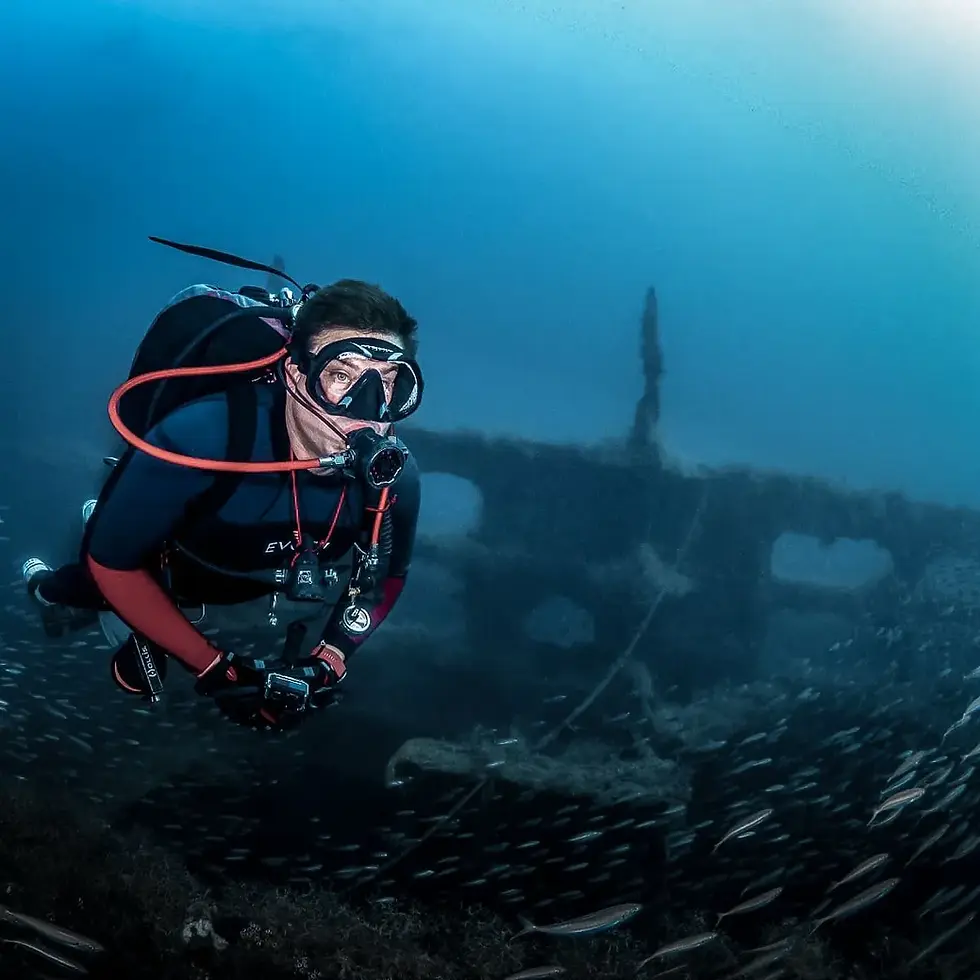
Divers can explore historic wrecks such as the USS Indra Shipwreck and the Caribsea Shipwreck, where large structures attract diverse marine life and create dramatic underwater scenery.
Technical divers can also experience deeper offshore sites like the Atlas Tanker Shipwreck and the fossil formations at the Fossil Ledge Dive Site, known for unique geological features and advanced diving challenges.
Expect encounters with sharks, reef fish, and rich marine ecosystems surrounding these historic underwater landscapes - making North Carolina a premier destination for both charter diving adventures and technical training.
THE GRAVEYARD OF THE ATLANTIC
North Carolina is nicknamed the "Graveyard of the Atlantic" due to its shifting sandbars, strong currents and violent storms - along with its strategic role in multiple wars.
This has led to over 2,000 shipwrecks divers can explore, including vessels sunk during World War I and II. Today, thriving and diverse marine ecosystems have transformed these sunken relics into vibrant, living reefs teeming with life. These reefs are able to provide unforgettable inshore and offshore diving adventures for divers, spearfishers and underwater photographers of all skill levels.
POPULAR
WAR RELICS
IN NORTH CAROLINA:
Explore the depths of North Carolina's waters and discover the fascinating war relics that lie beneath.
These wrecks, once vessels of war, now serve as eerie reminders of the past, attracting history-loving divers from around the world.
Ario
This 380-foot tanker met its fate during World War II when it was torpedoed by a German U-boat in 1942. Now resting in approximately 120 feet of water off Cape Hatteras, the wreck serves as a poignant reminder of the war’s impact on coastal waters. The ship’s bow remains largely intact, while the stern has collapsed, creating a complex habitat for a variety of marine species.
Ashkhabad
This freighter was sunk off the coast of North Carolina by a German U-boat and is now a popular diving destination. Located 14 miles off Cape Lookout, the shipwreck stretches over 400 feet and rests at a depth of 100 feet. Divers can explore its cargo holds and engine room, and may encounter schools of colorful fish that now call the wreck home.
Atlas
This merchant vessel, which sank during World War II, now rests in the Graveyard of the Atlantic. It offers divers a powerful glimpse into maritime history and the perils of wartime navigation. The wreck’s scattered remains have formed an artificial reef, now teeming with marine life.
HMS Bedfordshire
This British armed trawler was torpedoed by a German U-boat in 1942. Today, the wreck stands as a solemn memorial to the Allied forces who patrolled American waters during the war. Divers can explore the remnants of this compact yet historically significant vessel.
Box Wreck
The mysterious Box Wreck, named for its distinctive box-like shape, is believed to be a World War II-era vessel. Its exact origins remain a subject of speculation among divers and historians. The wreck’s compact structure offers an intriguing dive site for those eager to uncover its secrets.
Caribsea
This 261-foot freighter fell victim to a German U-boat attack in 1942. Now resting in 90 feet of water, the wreck offers divers a well-preserved example of a World War II-era merchant marine vessel. The ship’s hull and cargo hold provide fascinating opportunities for exploration.
The City of Houston
A steamship torpedoed during World War II, lies in deep waters off the North Carolina coast. This challenging dive site rewards experienced divers with a powerful glimpse into the tragic consequences of wartime maritime conflict.
Esso Nashville
This oil tanker was sunk by a German U-boat in 1942 and now lies in 140 feet of water. This deep dive site offers advanced divers the opportunity to explore a well-preserved World War II-era vessel. The wreck's massive structure and historical significance make it a popular destination for technical divers.
U-352 Submarine
This submarine sank during World War II and offers divers a rare opportunity to explore a well-preserved enemy vessel from the conflict. Lying in 115 feet of water off the North Carolina coast, this wreck stands as a testament to the intense naval battles that took place in American waters during the war.
Papoose
Another World War II oil tanker casualty, this wreck rests in the waters off Cape Hatteras. Known for its challenging currents and abundant marine life, the site offers experienced divers the chance to explore the remains of a once-mighty vessel while observing the thriving ecosystem that now surrounds it.
Schurz
A German cruiser from World War I, the Schurz rests at a depth of 85 feet. This wreck offers divers the rare opportunity to explore an intact warship that now functions as an artificial reef, teeming with marine life. Its historical significance and vibrant ecosystem make it a must-visit site for underwater explorers and history enthusiasts alike.
SS Suloide
This lesser-known wreck in the Great Lakes offers an exceptional diving experience for adventurous divers. The ship sank in 1942 and now rests at a depth of 200 feet, making it suitable for advanced divers seeking a challenge. The Suloide’s cargo of trucks and tractors adds a unique and fascinating element to this unconventional dive site.
The Naeco
This site features not one, but two shipwrecks off the coast of North Carolina. The larger wreck is the Naeco, a tanker torpedoed by a German U-boat in 1942. Nearby lies the wreck of an unknown vessel, adding intrigue and offering divers the unique opportunity to explore two fascinating pieces of maritime history in a single dive.
Normannia
This 312-foot cargo ship sank on January 17, 1942, after a fierce gale caused leaks in the engine room that eventually spread throughout the vessel's hull. The wreck remains largely intact, with the bow, stern, and boilers still clearly recognizable, making it an appealing destination for divers with intermediate experience.
W.E. Hutton
A tanker sunk by a German submarine in 1942 now serves as an artificial reef in North Carolina waters. This wreck offers divers the chance to explore a well-preserved example of early 20th-century maritime architecture while observing the marine life that has made it home.

ARTIFICIAL REEFS IN NORTH CAROLINA
Artificial reefs are underwater structures designed to replicate the complexity and beauty of natural reefs. Often formed from sunken ships, concrete blocks or specially designed materials, these reefs create vibrant habitats where marine life flourishes.
North Carolina's artificial reefs offer a world of adventures & exploration. These man-made ecosystems were sunk to create thriving marine habitats and dynamic dive sites. Among the most popular artificial reefs are the USCGC Spar, USCGC Ingham, Aeolus, Caribsea, USNS Vandenberg and Indra.
NORTH CAROLINA’S THRIVING ARTIFICIAL REEFS
Captivating & diverse, North Carolina’s artificial dive sites offer thrilling encounters with an incredible variety of marine life. From massive sand tiger sharks to reef fish and lobsters.
Whether you're exploring a historic wreck or diving along fossil-rich ledges, the marine biodiversity here adds unforgettable excitement to every descent.
Aeolus (AR-305)
Purposefully sunk in 1988, this decommissioned naval ship measures 459 feet and has become a notable artificial reef. Marine species such as sand tiger sharks, barracudas, and groupers have made it their home. Divers can explore its massive structure and witness firsthand the remarkable transformation from military vessel to thriving underwater habitat.
Cassimir (WR-2)
Sunk intentionally as part of an artificial reef program, this former merchant vessel now serves as a thriving marine habitat. Divers have the opportunity to explore its well-preserved structure while observing the diverse marine life inhabiting it.
Fenwick Island
Situated off the coast of Delaware, this artificial reef was designed to enhance the marine ecosystem. Constructed from materials like concrete and steel, it provides an ideal environment for marine organisms to thrive. Visitors, both divers and snorkelers, can immerse themselves in the vibrant community of colorful fish and corals.
Hardee's
An unconventional addition to artificial reefs, this fast-food restaurant located in South Carolina’s Grand Strand area was sunk in 2000 and repurposed to shelter marine life. It creates an unexpected underwater dining experience and highlights innovative ways structures can benefit the marine environment.
George Summerlin
Located off North Carolina near Cape Lookout, this 130-foot steel-hulled fishing vessel is a popular site for scuba divers and snorkelers. Its accessible location and the vibrant marine life surrounding it make for a favored underwater exploration destination.
Indra (AR-330)
Intentionally sunk, this vessel now serves as a thriving artificial reef. The dive site offers excellent opportunities to observe the transformation of a ship into a vibrant marine habitat, abundant with fish and growing coral formations.Senateur
Duhamel
Resting at a depth of 110 feet, this French passenger liner sank off North Carolina’s coast in 1918. It now serves as a fascinating underwater time capsule, offering divers a glimpse into maritime history through its intact structure and preserved artifacts.
Porta Allegra (Lobster Wreck)
Known as the Lobster Wreck, this site lies at 70 feet and is famous for its numerous crevices and hiding spots that attract lobsters. Divers can observe lobsters of various sizes camouflaged within the wreckage, creating a captivating experience.
SPAR (WLB-403)
Sunk intentionally in 2004 to create an artificial reef, this 180-foot buoy tender now rests in 110 feet of water. Divers can explore this modern naval vessel, accessing the wheelhouse, deck gear, and propeller, making it a prime spot for underwater photography.
Theodore Parker (AR-315)
Known for clear waters and abundant marine life, this artificial reef provides a well-preserved ship structure to explore. It is a popular destination for divers of all experience levels.
The Titan (AR-345)
Sunk in 2009 as part of North Carolina’s Artificial Reef Program, this 445-foot-long vessel was carefully positioned to benefit marine life and divers. Over time, it has become a thriving reef with vibrant ecosystems attracting diverse fish species.
Yancey (AR-302)
Lying in 160 feet of water, this former attack cargo ship offers a challenging dive for technical divers. Its cavernous holds and intact superstructure create an otherworldly underwater landscape for exploration.

TOP LEDGE DIVING SITES IN NORTH CAROLINA
Discover the Best Underwater Drop-Offs for Fossils & Marine Life: North Carolina boasts some of the most exciting ledge diving opportunities on the East Coast, offering divers dramatic drop-offs, natural reef systems and thriving marine life.
Unlike traditional wreck diving, these natural ledges offer a more pristine and less-explored underwater experience, making them ideal for shell collectors, spearfishers and wildlife enthusiasts alike. Read on to dive into the most popular ledge diving spots in North Carolina.
DISCOVER NORTH
CAROLINA’S BEST
LEDGE DIVING SPOTS
Whether you're looking for lobster, fossils or unforgettable marine encounters, North Carolina’s ledges deliver adventure for divers of all interests and skill levels.
In this section, you can browse the most popular Ledge Diving Spots we recommend for your next diving and spearfishing adventures.
Lobster Ledge South
This stunning area consists of multiple fascinating ledges with depths ranging from 105 to 110 feet deep. For simplicity, we call it Lobster Ledge. However, there is nothing simple about it as life thrives here that divers do not usually see on other sites like wrecks. Here you can explore the natural living bottom, which has relief between 5 and 10 feet. This dive site is great for shelling and provides prime hunting grounds for spearfishermen and everyone planning on bagging lobsters. While these are not megalodon ledges, our crew has found teeth here. Cindy, our lead instructor likes to call this site virgin territory as it is not a popular dive site and therefore not frequently visited by other boats.
On Lobster Ledge divers will find Lobsters, Lionfish, Hogfish, Grouper, Vermilion Snapper, Mangrove Snapper, Cubaera Snapper, Spanish Hog, Trumpet Fish, Queen Angels, French Angels, multiple species of damsel and other tropical fish. If you are lucky, you might encounter a hammerhead shark during your dives at Lobster Ledge.
Lobster North Ledge
On these ledges, the depths range between 115 and 125 feet and the relief is between 5 and 10 feet. In this unique setting, divers and spearfishermen can explore the mesmerizing natural bottom instead of wreck sites. They can also encounter multiple interesting aquatic species. These include lobster, lionfish, grouper, hogfish, Butterfly Fish, Clean Angel and French Angel.
While we classify this site as prime territory for hunting lionfish and lobster, from spring to autumn spearfishermen can also target Mahi Mahi and Wahoo and African Pompano. This is in the higher water column here. In spite of the fact that both ledges offer great shelling opportunities, the North Ledge offers more shells than the South Ledge.
Cape Lookout Ledge
One of the most popular ledge diving spots in North Carolina is Cape Lookout Ledge. This submerged rock formation stretches for miles, creating a diverse and dynamic underwater ecosystem. Divers can expect a wide range of marine species, from colorful coral formations to large schools of fish. This makes it a paradise for underwater photographers and nature enthusiasts alike.
Frying Pan Shoals Ledge
Another prestigious ledge diving spot in North Carolina is the Frying Pan Shoals Ledge. Located just off Cape Fear, this submerged ledge is home to numerous shipwrecks and a wide variety of marine life. Divers can explore the remains of vessels such as the Atlas and the Caribsea, while surrounded by schools of fish and vibrant coral formations.
Graveyard of the Atlantic Ledge
The Graveyard of the Atlantic Ledge is another intriguing diving spot in North Carolina, known for its historical significance. Here, divers can explore the wreckage of the Senator Duhamel, a World War I steamer that sank off North Carolina in 1918. This serves as a fascinating underwater time capsule. The intact structure and artifacts found at the Graveyard of the Atlantic Ledge provide an unparalleled glimpse into maritime history and its stories.

MEGALODON TEETH
DIVING FOR FOSSILS IN NORTH CAROLINA
Another exciting attraction for divers at the Graveyard of the Atlantic Ledge is fossil hunting. Uncover ancient Megalodon teeth while diving North Carolina’s fossil-rich ledges. This is a dream destination for fossil enthusiasts and adventurous divers alike.
Discover Why North Carolina Is a Top Destination for Megalodon Teeth Hunting and What Makes These Fossilized Shark Teeth So Valuable to Collectors.
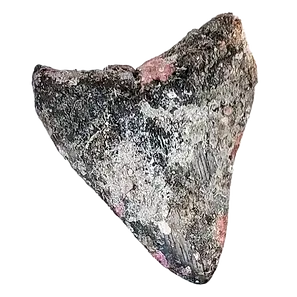
NORTH CAROLINA'S MEGALODON TEETH HUNTING GROUNDS


North Carolina is one of the best places in the world to dive for Megalodon teeth.
The strong Gulf Stream currents and shifting sea floor along North Carolina’s coast constantly expose new fossil beds.
These submerged prehistoric treasure troves lie anywhere from 85 to 120 feet (26 to 36 meters) deep. This makes them accessible primarily to advanced divers.
Best Places to Find Megalodon Teeth in North Carolina
1. Offshore Megalodon Ledges (Morehead City, Wilmington, Atlantic Beach)
Along the continental shelf, you'll find limestone ledges rich with prehistoric fossils. These fossil beds lie at depths ranging from 85 to 120 feet, making them ideal for experienced or technical divers. These ledges are constantly shifting with ocean currents, exposing new fossils like Megalodon teeth, whale bones and ancient shark teeth daily.
2. On Fossil-Diving Charters with Expert Crews
The safest and most successful way to search for Megalodon teeth in North Carolina is by joining a fossil diving charter. Charter boats like Instigator Fishing & Diving Charters offer access to the best fossil ledges and provide detailed briefings, experienced captains and instructions to help divers locate prime fossil hunting zones.
3. Artificial Reefs and Shipwreck Sites
While ledges are the top fossil hotspots, some offshore wrecks and reefs near Wilmington and Morehead City may also hold smaller fossilized shark teeth and marine life remains, particularly where sediment layers are disturbed.






WHAT MAKES MEGALODON TEETH SO SPECIAL?
Megalodon teeth are more than just fossilized remains - they are ancient treasures that connect us to one of the most powerful predators in Earth's history.
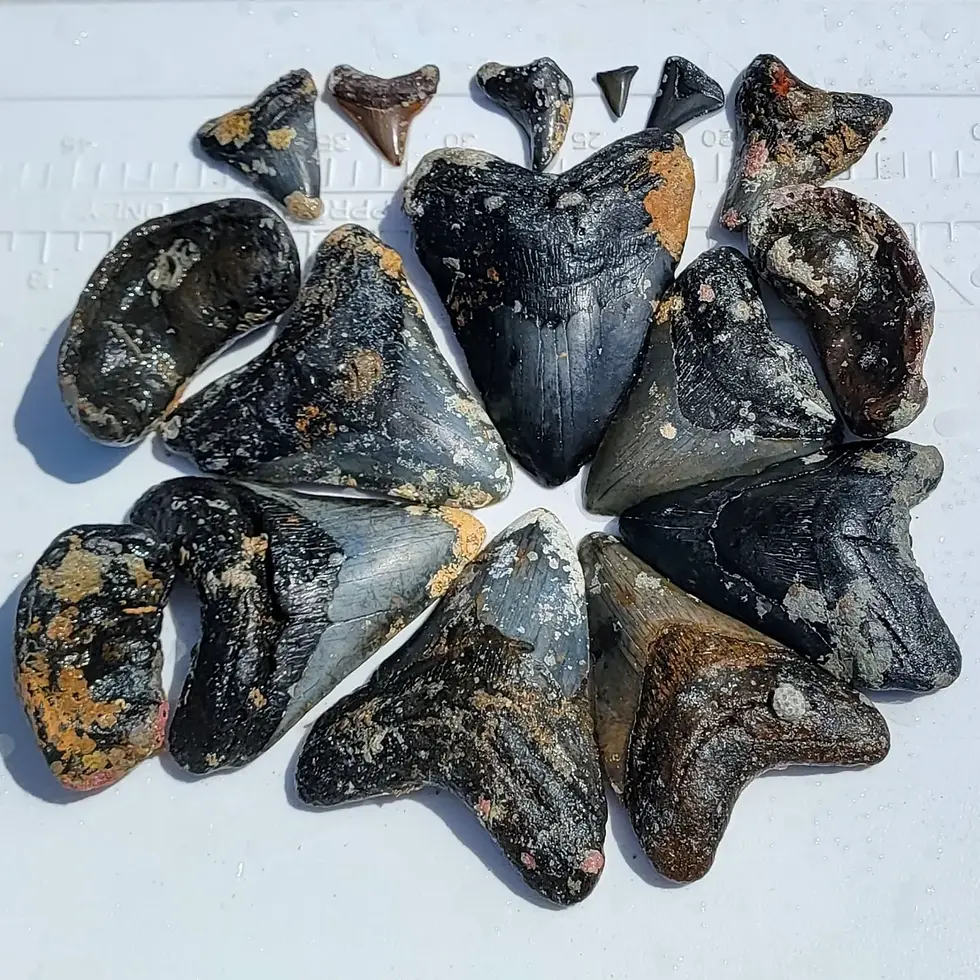
These ancient Megalodon shark teeth, some measuring up to 7 inches long, are thrilling finds for fossil enthusiasts and divers alike.
Each tooth tells a story of an apex predator whose powerful jaws could crush almost anything, making them some of the most sought-after fossils in the world.
The Megalodon († Otodus megalodon)
This prehistoric giant shark ruled the oceans approximately 23 to 3.6 million years ago. It is believed to have reached lengths of up to 60 feet. This makes it one of the largest predators to ever roam the oceans. Its massive jaws and razor-sharp teeth allowed it to dominate marine life.
Megalodon teeth are significantly larger than those of any modern shark. Their triangular shape, fine serrations and glossy enamel make them visually striking. Each tooth gives a glimpse into the size and power of this apex predator.
While Megalodon teeth have been found worldwide, North Carolina’s offshore fossil ledges are particularly rich in high-quality specimens. The combination of limestone formations, strong currents and ideal depth conditions makes the region one of the top Megalodon tooth hunting spots on the planet.
Finding a Megalodon tooth is like holding a piece of natural history in your hand. These fossils offer valuable insights into ancient marine ecosystems, climate changes and evolutionary biology. Because of their rarity and visual appeal, large and intact Megalodon teeth can fetch hundreds or even thousands of dollars. Especially, if they’re well-preserved with sharp serrations and minimal damage.
For divers and fossil hunters, searching for Megalodon teeth is more than a hobby - it’s a real-life treasure hunt. Whether you're exploring deep ledges offshore or combing fossil beds, every discovery is a thrilling reminder of a prehistoric world beneath the waves.
How Much Are Megalodon Teeth Worth?
The value of Megalodon teeth varies based on size, condition, color and rarity. Fossil hunters often aim for larger teeth, which belonged to adult Megalodons that could reach up to 60 feet (18 meters) in length. Teeth that are well-preserved, symmetrical and have intact serrations are especially valuable.
Here’s a rough estimate:
Under 3 inches: $20 - $100
3-5 inches: $100 - $500
5-7+ inches: $1,000+
Museum-grade: up to $3,000+
FOSSIL HUNTING IN NORTH CAROLINA
Divers exploring the waters off North Carolina are rewarded with more than just breathtaking marine life. They also have the opportunity to uncover fossils that tell stories dating back millions of years. The ocean floor here is a rich prehistoric graveyard, scattered with ancient remains that speak to the region’s deep-time past.
Collect prehistoric treasures while fossil hunting in North Carolina. From massive Megalodon teeth to smaller but equally thrilling finds like Great White and Sand Tiger shark teeth, fossil hunters regularly add awe-inspiring pieces to their personal collections.
FOSSILS - FROM PREHISTORIC BONES TO HISTORIC ARTIFACTS
Discover a unique blend of natural history and maritime relics beneath the waves. Beyond shark teeth, fossil hunters may uncover remains of prehistoric marine mammals such as whale bones and ancient sea turtles.
These fossilized treasures often lie buried in sandy seabeds or hidden among rocky outcrops, making North Carolina a prime destination for underwater fossil exploration.
Read on to discover the remarkable fossil finds our crew and guests have uncovered during our Megalodon Fossil Charters - and get inspired to start your own collection beneath the waves!

Whale Fossils
Large bones and vertebrae from prehistoric whales offer a glimpse into the ancient giants that once roamed these seas.
Horse Jaws
Fossilized horse jaws, often with intact teeth, are remnants of prehistoric horses that lived in the region thousands of years ago.
Alligator Jaws
Fossilized jaws from ancient alligators provide evidence of these formidable predators that once inhabited North Carolina’s waters.
Mastodon Teeth
Distinctive and massive, Mastodon teeth fossils come from elephant-like creatures that roamed the area during the Ice Age.
Dugong Fossils
Often found as ribs or vertebrae, these fossils come from the Dugong, an ancient relative of today’s manatees that lived in prehistoric seas.


Mako Teeth
Known for their sharp, sleek appearance, Mako shark teeth reflect the speed and agility of this impressive predator.
Great White Teeth
Large and triangular, fossilized Great White shark teeth are a common and thrilling find, showcasing the power of this iconic species.
Dinosaur Claws
Rare but occasionally found, fossilized dinosaur claws reveal the presence of ancient reptiles that once lived on land now submerged beneath North Carolina’s waters.
Various Shark Teeth
The region’s waters are abundant with fossilized teeth from a variety of shark species, offering fossil hunters a diverse and exciting collection.
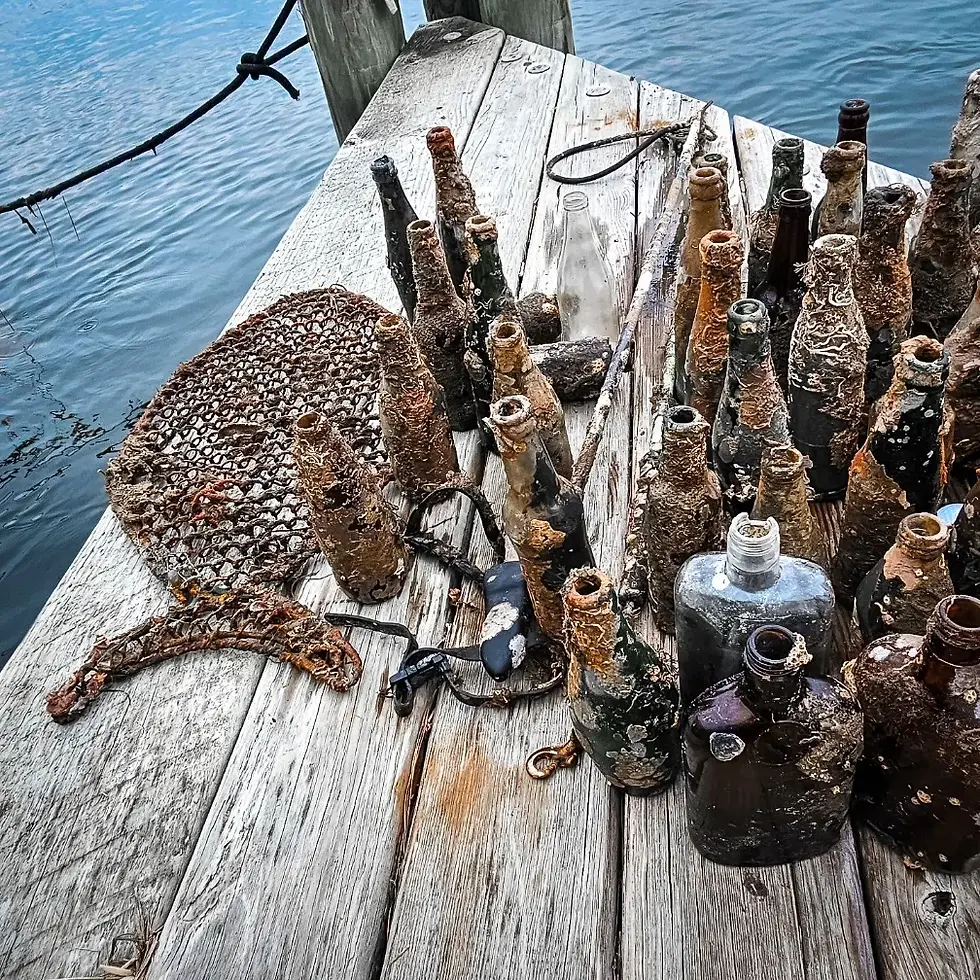
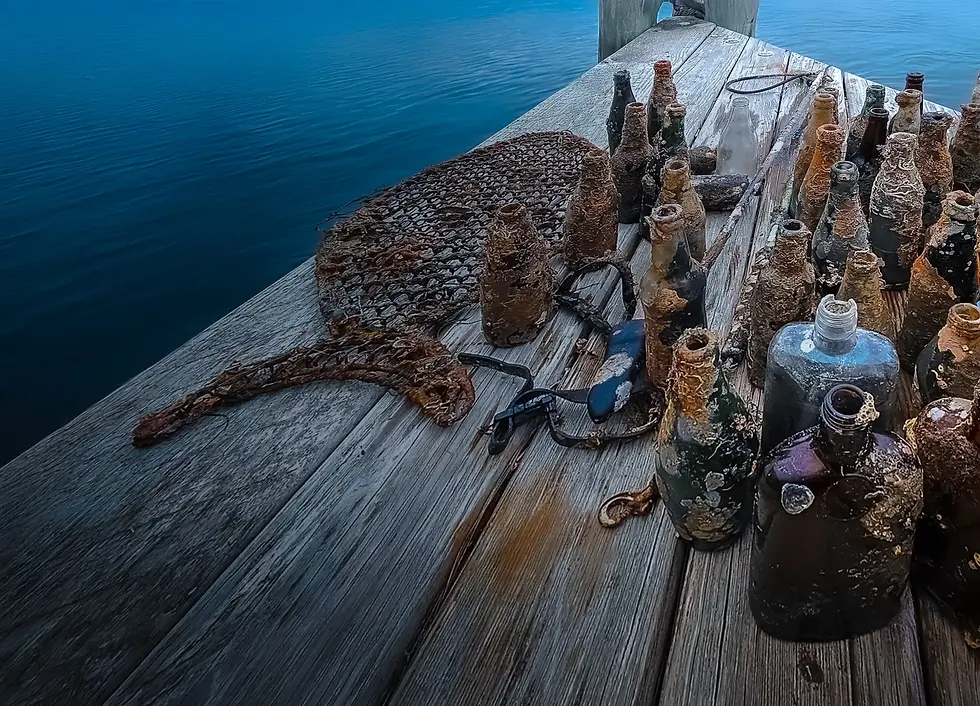
Fossilized Flags, Bottles,
Fishing Nets & Ropes
Adding to the natural wonders, divers also discover fossilized maritime artifacts like flags, bottles, fishing nets, and ropes - preserving pieces of human history beneath the waves.


READY TO HUNT FOR ANCIENT MEGALODON TEETH AND MORE?
Join the Instigator Crew for a professionally guided fossil diving adventure off the coast of North Carolina, one of the world’s top destinations for underwater fossil hunting.
Our experienced captains and dive team will brief you in detail and take you to fossil-rich ledges where giant Megalodon teeth, prehistoric whale bones, rare shark teeth and even fossilized bottles and flags still rest on the ocean floor.

SCUBA SHELLING
ADVENTURES IN NORTH CAROLINA
If you are looking to combine history with thrill, this is your chance to uncover relics from the Miocene and Pliocene eras in a truly wild and rewarding environment.
Specialized shelling charters are designed for nature lovers and passionate explorers who want to unwind, reconnect with nature and uncover ocean treasures.
From delicate sand dollars to colorful scallops, moon snails and lightning whelks, every trip is a chance to find something beautiful and unique.
SHELLING IN NORTH CAROLINA:
Dive beneath the surface to explore North Carolina’s hidden underwater shelling sites, where incredible sea treasures lie waiting to be discovered. Underwater shelling in North Carolina offers a unique opportunity to explore the coastal region’s rich marine history and biodiversity. Divers, both beginner and advanced, can discover a wide variety of shells.
DISCOVER THE SERENITY OF INSHORE SHELLING:
Inshore shelling dives are perfect for beginners, offering calm, shallow conditions ideal for your first underwater treasure hunt. Embark on a tranquil aquatic adventure designed specifically for enthusiasts. Explore the underwater world in search of beautiful seashells at dive sites ranging from 45 to 70 feet deep. Each journey beneath the waves takes you to vibrant underwater landscapes teeming with life. Here, you can delicately gather shells of various sizes, enhancing your collection with each precious find.
EMBARK ON NORTH CAROLINA OFFSHORE SHELLING ADVENTURES:
For experienced divers, offshore shelling charters provide access to deeper ledges and fossil-rich zones.
At dive sites located more than 15 miles from the inlet, divers can discover rare and larger shells at depths between 85 and 120 feet—including fossilized specimens.
Depending on your interests, you could begin your journey at the Bedfordshire wreck, marveling at the vast array of shells nestled among its structures. Next, you could explore Hardee's wreck, where more unique shells await. For your final dive, you could visit a vibrant ledge in 80 feet of water, teeming with different shells.
IMPORTANT NOTICE:
Instigator dive sites for shelling are not located in a marine park or a marine sanctuary. So following the law, divers can bring up all the shells they want. For environmental reasons we ask you to avoid targeting shells with active living creatures in them.

COLLECTOR'S PARADISE: SEA SHELLS IN NORTH CAROLINA
Pretty much every shell a collector might be looking for can be found here. From vibrant conch shells to delicate sand dollars, North Carolina offers a treasure trove of shells for divers to discover.
These shells come in various sizes, shapes, and colors, making each find unique and exciting. Whether you're a seasoned collector or simply enjoy marine life, you'll be amazed by the variety of shells awaiting you beneath the waves. Happy shelling!

Horse Conch
A large, spiral shell with a distinctive, elongated shape and vibrant orange interior, the Horse Conch is a prized find along North Carolina's coast.
Nutmeg
Small and beautifully patterned, Nutmeg shells have a rounded, ribbed surface with intricate designs resembling the spice they are named after.
Standard Conch
Known for its sturdy, spiral shape, the Standard Conch has a broad, flared lip and often features pink or orange tones inside the shell.
Spiny Oyster
This shell stands out with its rough, spiny surface and vivid colors, ranging from deep reds to purples. This makes it a unique find for collectors.
Scotch Bonnet
North Carolina's state shell, the Scotch Bonnet, is recognized for its checkered pattern and smooth, rounded shape, typically in cream or pale yellow tones.
Helmet
Helmet shells are robust and thick, with a domed, helmet-like appearance. They often display bold, striped patterns in earthy tones.
Scallop Shells
Scallop shells are fan-shaped with distinct ridges and can be found in a variety of colors, from soft pastels to vibrant hues, commonly found along sandy shores.
Lions Paw
A striking shell with a fan-like shape, the Lion’s Paw features deep ridges and is often found in shades of orange, red, or purple.
Olives Cat´s Eye
These shells are smooth and elongated, with a glossy finish and a swirling pattern that resembles a cat’s eye, often found in sandy areas.
Sand Dollars
Flat and round, Sand Dollars are the remains of a type of sea urchin, known for their delicate, star-shaped pattern on the surface. They can be found on beaches as well.


